
This is our story, and a lesson in the benefit of routine eye tests for kids.
As parents, we all want to give our children the best start in life. From their education to their health, we work hard to ensure they’re set up for success. But one area that’s often overlooked is eye health. Did you know that the neural pathways in a child’s brain related to vision are fully developed by around age 9? This means that early intervention for any vision issues is key. Let me share our own experience to illustrate just how important it is.

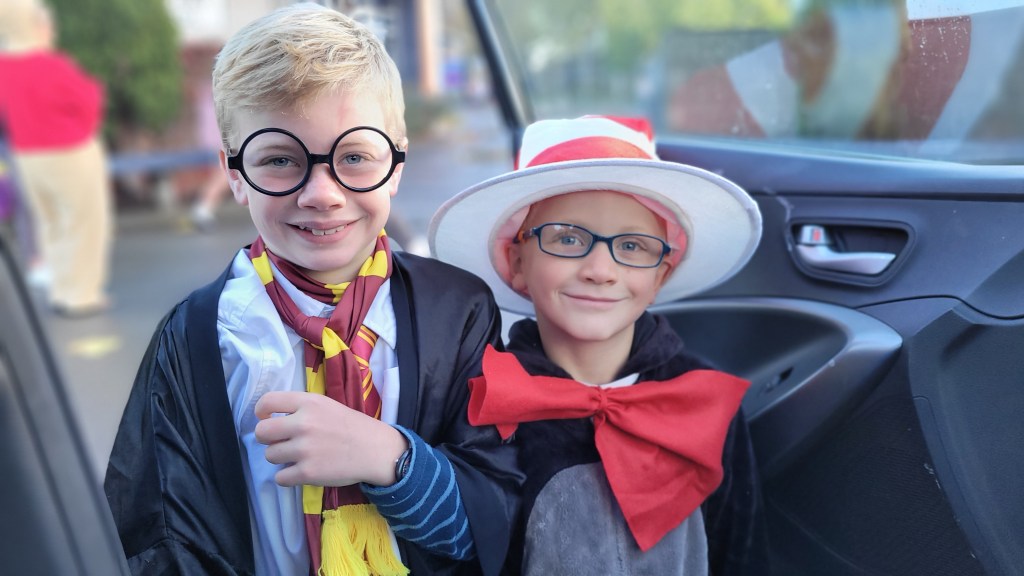
Disclaimer: I am not an optometrist, just a parent who wears glasses, and mum to now 2 kids who have started their own glasses journey in recent months.
Picking Up the Signs Early: Our Youngest
Our youngest child’s vision issues were picked up during the standard before-school checks at kindy. It was a relief to catch this early, and he’s been wearing glasses ever since. These early checks are invaluable because young children often don’t realise that what they see isn’t “normal.” They adapt to their vision limitations without complaint, so it’s up to us as parents to ensure they’re screened.
The Subtle Signs We Missed: Our Oldest
In contrast, our experience with our oldest child was very different. He’s always been a sporty, active kid with great hand-eye coordination. His reading progress was on track, and there were no obvious signs that anything was amiss with his vision. It wasn’t until his teacher mentioned that he sometimes skipped words while reading that we started to wonder. She even suggested he might have some dyslexic tendencies. And in hindsight, he had been complaining about headaches before bed – but we put down to this frequent procrastination when it came to sleep 🙂
The Routine Test.
Following the teacher’s observation, we decided to have his eyes tested. To our surprise, the optometrist found that one of his eyes was more dominant than the other. While his vision wasn’t causing major issues yet, he needed glasses for reading and to help with distance vision. The optometrist explained that if we hadn’t addressed this now, he could have developed depth perception issues down the line. This could have impacted his ability to play sports – something he’s passionate about.
Why Early Testing Matters
Our story highlights a key point: vision issues aren’t always obvious. Kids are incredibly adaptable and may not show clear signs of difficulty. But by the time problems become noticeable, the critical window for neural development may be closing. Here’s why testing your child’s eyes early is so important:
- Maximise Neural Development: Early intervention ensures that both eyes are working together properly before the neural pathways are fully formed.
- Avoid Long-Term Impact: Undetected vision issues can lead to problems with depth perception, learning, and even confidence.
- Support Academic Success: Many children with undiagnosed vision problems struggle in school, often misdiagnosed with learning difficulties like dyslexia.
- Boost Confidence in Sports and Activities: Good vision is crucial for hand-eye coordination and depth perception, which are key for sports and other physical activities.
Global Perspective:
While specific guidelines vary, many countries emphasize early eye assessments for children. For instance, in the United Kingdom, the National Health Service (NHS) offers free eye tests for children under 16, highlighting the importance of early vision checks. Similarly, in Australia, recent research indicates a rise in myopia (Short-sightedness) among children, underscoring the need for regular eye examinations (The Conversation – Research also referenced by our Optometrist at Anstice).
New Zealand’s Approach:
In New Zealand, the Well Child/Tamariki Ora service provides several eye checks for children from birth through to 12 years of age. These include screenings at birth, regular checks from 6 weeks to 5 years, and the B4 School Check before starting school. Additionally, distance vision is apparently assessed at school when children are 11 or 12 years old – HealthInfo Canterbury
While these screenings are comprehensive, they may not detect all vision problems. Therefore, if you have concerns about your child’s vision or if they exhibit symptoms such as frequent headaches, squinting, or difficulties with reading and learning, it’s advisable to consult an optometrist for a thorough examination.
What Parents Can Do
- Complete a routine eye test before 8 years of age: Don’t wait for obvious signs. Make eye tests part of your child’s routine health check-ups.
- Listen to Teachers’ Observations: They spend hours with your child and can often spot subtle signs that parents might miss.
- Act Quickly: If an issue is identified, address it sooner rather than later to ensure the best outcome.
Understanding Costs
For many parents, eye tests can come with the concern of subsequent costs. Luckily, there are affordable options available. Specsavers is a fantastic choice for routine eye tests, offering free tests for children under 16 – and are available nationwide. Additionally, kids with Community Services Cards can get glasses at no cost.
For parents looking for optometrists specialising in children’s eye care, Anstice We initially visited Specsavers, as we didn’t think our son would need glasses. When they recommended that he did, we then went to Anstice for a full School Vision Assessment. This included a detailed school report, providing his teachers with an overview of his visual needs, and comparatively was a lot more detailed than the assessment with Specsavers. https://www.anstice.co.nz/SchoolVision/.
And for children under 5, the Family Eye Centre in Christchurch provides an amazing service with a referral from a GP or nurse following the B4 School Check. We have been through the Family Eye Centre with our youngest, and can highly recommend the process: https://familyeyecentre.nz/
In Summary
Our experience has taught us that early eye tests are not just about spotting problems but about giving our kids every opportunity to thrive. Both of our children now wear glasses, and we’re grateful for the early interventions that will help them see the world clearly – in every sense of the word. The moral of the story being,
We hope our experience inspires you to make that appointment 🙂
– Little Grippers
 Little Grippers NZ
Leave a comment